Blog

  • Organic vs. Pasture-Raised vs. Free Range vs. Cage-Free

    Organic vs. Pasture-Raised vs. Free Range vs. Cage-Free

    When it comes to choosing the right eggs for your breakfast, the options can be quite confusing. From organic to cage-free, pasture-raised to free range, it can be hard to know which type of eggs are actually worth the extra money. So, let’s crack open the difference between these terms and see which ones are the yolkiest.

    Organic Eggs

    First of all, let’s look at organic eggs. These eggs come from chickens that are raised on certified organic land and fed with organic feed, free from any antibiotics, hormones or other harmful substances. According to the United States Department of Agriculture (USDA) [1], organic eggs must also come from chickens that are cage-free and have access to the outdoors. So, if you’re looking for eggs that are good for you and the environment, organic eggs are a great choice. Just don’t expect them to taste any better than other eggs, because as the saying goes, “An egg is an egg.”

    organic eggs must also come from chickens that are cage-free and have access to the outdoors

    Pasture-Raised Eggs

    Next up, we have pasture-raised eggs. These eggs come from chickens that are raised on pasture and have access to the great outdoors. Unlike organic eggs, the feed given to these chickens may not necessarily be organic. However, the chickens are able to forage for their own food and get plenty of exercise, leading to eggs that are richer in flavor and nutrients. In fact, a study by Mother Earth News [2] found that pasture-raised eggs had more vitamins A and E, and a healthier balance of omega-3 to omega-6 fatty acids compared to industrial eggs. So, if you’re a foodie who values taste, pasture-raised eggs are the way to go.

    pasture-raised eggs had more vitamins A and E, and a healthier balance of omega-3 to omega-6 fatty acids compared to industrial eggs

    Free Range Eggs

    Third on our list are free range eggs. These eggs come from chickens that have access to the outdoors, but not necessarily pasture. The exact amount of outdoor access required for free range eggs is not specified by the USDA [1], so it can vary greatly from farm to farm. However, if you’re looking for eggs that have more outdoor access than cage-free eggs, free range eggs are a good choice. Just don’t expect the chickens to be living their best life, as their outdoor access may be limited.

    These eggs come from chickens that have access to the outdoors, but not necessarily pasture

    Cage-Free Eggs

    Last but not least, we have cage-free eggs. These eggs come from chickens that are not kept in cages, but are still typically housed in large barns. According to the USDA [1], cage-free chickens must have access to the outdoors, but the size and quality of that access is not specified. So, if you’re looking for eggs that come from chickens that aren’t cooped up in cages, cage-free eggs are a good option. However, they may not be any different from regular industrial eggs in terms of taste or nutrition.

    cage-free chickens must have access to the outdoors, but the size and quality of that access is not specified

    When it comes to choosing the right eggs for you, it’s all about what you value. If you want eggs that are good for you and the environment, go for organic eggs. If taste is your top priority, pasture-raised eggs are the way to go. If you’re looking for eggs from chickens with more outdoor access, opt for free range or cage-free eggs. And if all you care about is cracking open a good egg, any of the above options will do!


    [1] https://www.usda.gov/ [2] https://www.motherearthnews.com/
  • Benefits of Farm Fresh Eggs

    Benefits of Farm Fresh Eggs

    It’s time to crack open a new world of flavor and nutrition by buying local farm-fresh eggs! These eggs pack a punch of taste, nutrition, and sustainability that will leave you feeling egg-cited (pun intended) about your breakfast options. So, put down that supermarket carton and let’s dive into the benefits of buying local farm-fresh eggs.

    First off, farm-fresh eggs are like superheroes of the egg world. A study by Mother Earth News found that these eggs contain higher levels of vitamins A and E, omega-3 fatty acids, and beta-carotene compared to regular eggs. These nutrients can help protect against diseases and make you feel like you have superpowers. Who needs a cape when you have farm-fresh eggs?

    these eggs contain higher levels of vitamins A and E, omega-3 fatty acids, and beta-carotene

    But, the benefits of buying local farm-fresh eggs don’t stop there. They are also more sustainable, as local farmers use natural methods for feeding and housing their chickens. This results in less waste and pollution, making these eggs not just nutritious, but environmentally friendly too! Who said you can’t have your egg and eat it sustainably?

    Another benefit is supporting local farmers and boosting the local economy. By buying local farm-fresh eggs, you are investing in your community and creating a more sustainable food system. This means more money stays in the community, which is like giving your local farmers a high-five. Who doesn’t love supporting their community and local farmers?

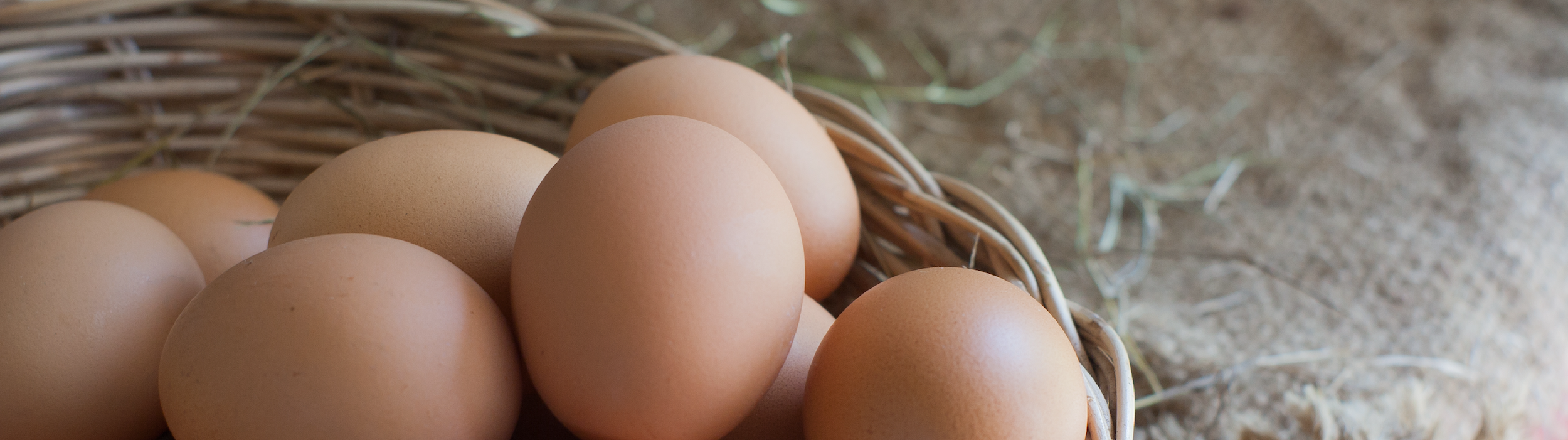
    farmers market farm fresh eggs

    But wait, there’s more! These eggs are fresher and tastier than store-bought eggs, which can often sit in storage for weeks before they reach the shelves. Fresh eggs have a better flavor and texture, making your breakfast a feast for the senses. And, with a longer shelf life, you can enjoy farm-fresh eggs for several weeks after purchase. Who says breakfast has to be boring?

    Finally, buying local farm-fresh eggs is a more ethical choice. Unlike conventional egg production, which often involves inhumane practices like battery cages, local farmers use more humane practices. So, you can feel good about your breakfast choice and know that the chickens are happy too. Who says you can’t have your egg and be ethical too?

    Buying local farm-fresh eggs is a fantastic choice for all you health-conscious, humor-loving, and sustainability-seeking individuals out there. So, next time you’re at the grocery store, forget the supermarket carton and hop on Communal Farms to find some fresh eggs. Your taste buds, nutrition levels, and the environment will thank you.

  • Chicken, Duck, Quail, & Goose Eggs | What’s the Difference?

    Chicken, Duck, Quail, & Goose Eggs | What’s the Difference?

    Egg-cellent news! It’s time to take the egg-scursion into the world of farm-fresh eggs, and learn the differences between chicken, duck, quail, and goose eggs. From the classic breakfast staple to the exotic delicacy, there’s an egg for every taste bud. But which egg is the right one for you? Let’s take a closer look.

    Chicken Eggs

    First, let’s talk about the good old chicken egg. These are the eggs that we all know and love. Chicken eggs come in various sizes, from small to extra-large, and are the most commonly consumed eggs in the world (FoodData Central, 2021). They’re rich in protein, vitamins, and minerals, and have a relatively neutral taste that makes them a versatile ingredient in cooking. Whether you’re whipping up a frittata or baking a cake, chicken eggs are always a good choice.

    “They’re rich in protein, vitamins, and minerals, and have a relatively neutral taste that makes them a versatile ingredient in cooking.”

    Duck Eggs

    Next, we have the rich and creamy duck egg. Duck eggs are larger than chicken eggs, and have a higher fat and protein content, making them perfect for baking (Good Eggs, 2021). Their yolks are a deeper yellow color, and their flavor is slightly more intense, which some people find desirable. They’re often used in dishes like custards and cakes, where the richness of the egg is important.

    “Duck eggs are larger than chicken eggs, and have a higher fat and protein content…”

    Quail Eggs

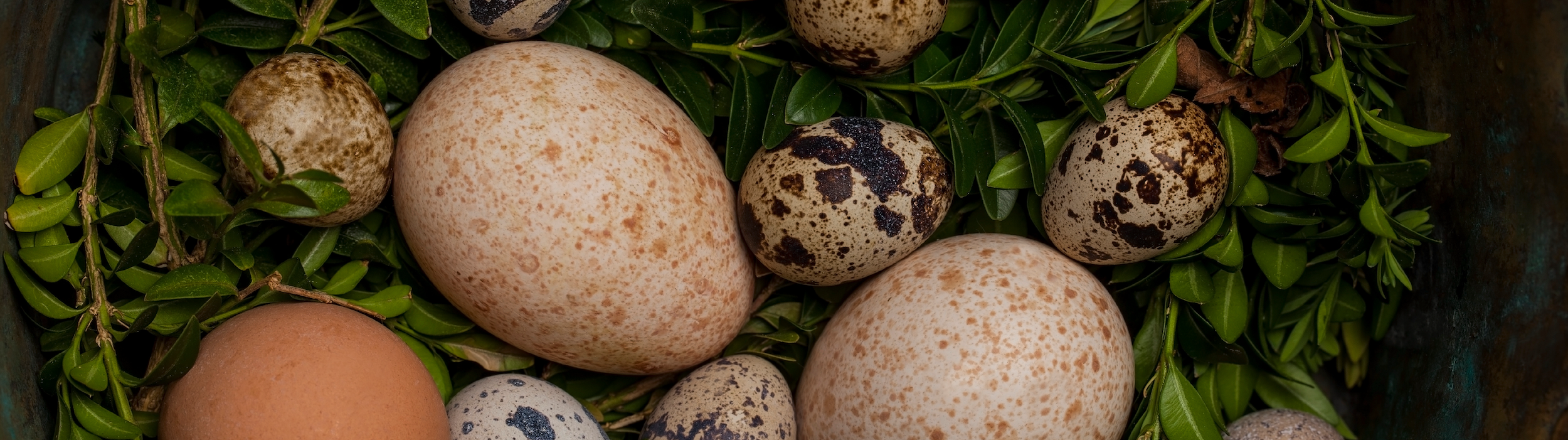
    Moving on to the petite quail egg. These little eggs pack a big punch when it comes to flavor. Quail eggs have a delicate, slightly nutty taste, and are a popular ingredient in sushi and other Japanese dishes (Japan Centre, 2021). They’re also a good source of vitamins and minerals, and are lower in cholesterol compared to chicken eggs. Just be prepared for the egg-cellent workout your hands will get cracking open all those tiny shells!

    Goose Eggs

    Last but not least, we have the goose egg. These eggs are massive compared to the others, and can weigh up to three times as much as a chicken egg (Good Eggs, 2021). Goose eggs have a rich, creamy flavor, and are perfect for dishes like quiches and frittatas. Just be prepared to break out the rolling pin, because cracking open a goose egg can be quite the workout!

    “Goose eggs have a rich, creamy flavor, and are perfect for dishes like quiches and frittatas.”

    In conclusion, there’s an egg for everyone! Whether you’re a fan of the classic chicken egg, or you’re looking to try something new, like the rich and creamy duck egg, the petite quail egg, or the massive goose egg, there’s a farm-fresh option for you. So why not give them a try, and see which egg becomes your new favorite!


    References:

  • How Do I Find Farm Fresh Eggs?

    How Do I Find Farm Fresh Eggs?

    Egg prices in stores have egg-ceded my budget and I hear farm fresh eggs are on trend right now. So where do I find them? We all know that the best farm egg suppliers are tough to find.

    1. Communal Farms

    If you’re on this page, you’ve already done half the work! Communal Farms makes finding farm fresh eggs quick and easy. You can search by location, type of eggs, distance, price per dozen, free-range, hormone-free, organic, and egg color. 

    2. Farmers’ Markets

    Farmers’ Markets are another egg-cellent place to fill your egg needs. It’s convenient and you can shop for other fresh produce at the same time. Local markets will often post a list of vendors. I like to check their social media profiles and websites to look up their farming practices beforehand. Eggs are often the first thing to sell out at markets so it might be worth your time to contact the farmer ahead of time and reserve yours. 

    What should I ask when buying fresh eggs? 

    • Are the pasture-raised, caged, or free-range hens? 
    • How many hours a day do the hens spend outdoors and during what months of the year? 
    • What are they fed? 
    • Is the feed organic?
    • Are the eggs cleaned and if so, how?


    If you have any go-to questions you always ask new egg farmers, please share in the comments!

  • cleaning farm fresh eggs

    cleaning farm fresh eggs

    Why do we need to clean eggs?

    Eggs that have not been cleaned and sanitized properly before being consumed can cause illness, particularly when there are visible debris on them. Bacteria, such as Salmonella, can enter the cooked egg and contaminate hands, food, or utensils. Over-easy with a side of feces? No, thank you!

    On each Communal Farms listing, you’ll find information about the cleaning process of the eggs. Eggs naturally have a protective layer that prevents bacteria from entering. This gelatinous outer layer dries after the hen lays the egg and it seals the pores in the egg’s shell to help block bacteria. This protective layer is removed when eggs are cleaned with water.

    How can we clean farm fresh eggs?

    One option is to use a dry cleaning method. Gently scrap away dirt and feces using fine sandpaper, emery cloth, or a brush. Because you’re not using water on your porous eggs, there’s less risk of bacteria passing through the eggshells during the cleaning process.

    Another option is to follow commercial standards: wash in potable water that is 20 degrees F warmer than the egg temperature and at least 90 degrees F. Place the eggs in a suspended colander and rinse without completely submerging. Warm water causes the egg contents to expand, helping prevent bacteria from being pulled through the pores. Do not use cold water, as it can cause the contents of the egg to contract and pull water and contaminants in through the shell. Always wash your hands before and after cleaning the eggs.

    Do I need to sanitize the eggs?

    After washing your eggs, a sanitizing solution can be used. Mix 1 tbsp bleach with 1 gallon of water. Dip the eggs into the solution, then rinse. Dry the eggs with a clean towel and place in the refrigerator.

    What can I do as a farm fresh customer?

    • Ask about hen living conditions, how frequently eggs are collected, how eggs are cleaned and stored, and how old the eggs are.
    • Inspect eggs for cracks or other irregularities.
    • Crack eggs in a bowl before using. According to the American Egg Board, eggs with blood spots are safe to eat. You can simply remove the blood spot with a spoon if eating it feels weird to you.

    Other helpful tips:

    • Once the eggs are cleaned and dried, they should be refrigerated.
    • Wash eggs individually.
    • Do not soak the eggs in the water.
    • Unscented soap or detergent can help. Fragrance soaps should be avoided.

  • farm-fresh vs. store-bought eggs

    farm-fresh vs. store-bought eggs

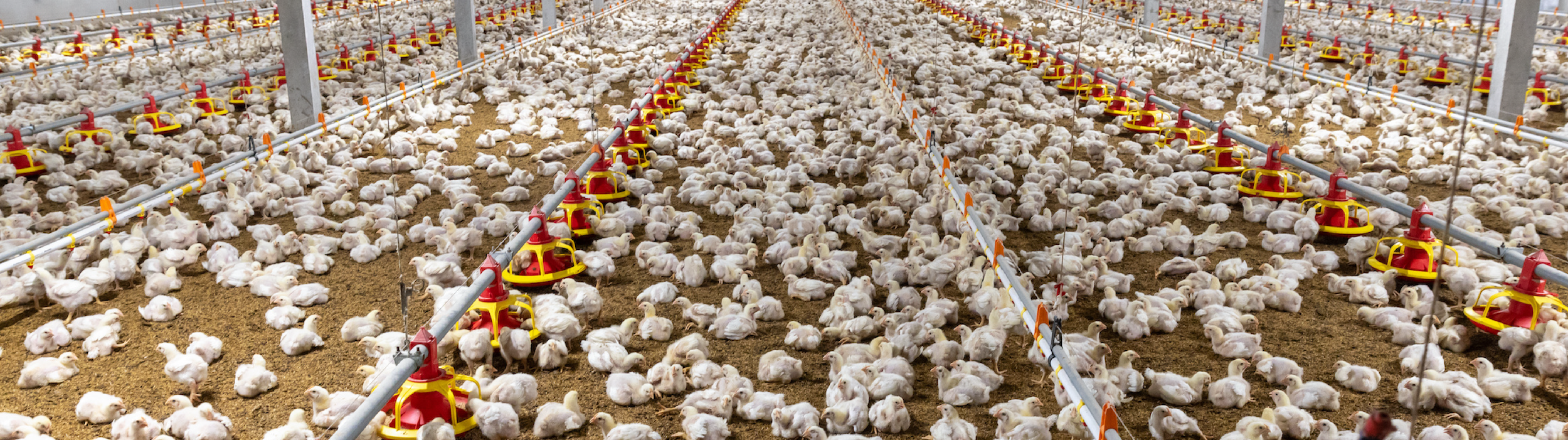
    What do we mean by “farm fresh”? What about “free range”? While the term “free range” usually makes us think of wide, open fields with chickens happily running wild, the reality is that most eggs marketed as free range are actually produced in factory farms.

    Color

    Brown Eggs ≠ Healthier

    To clear up some myths about eggs being bleached white – they are not. The color of the egg doesn’t say much about its contents. Some chickens lay white eggs, some brown, some green. Chicken nutrition and living conditions are more important than egg color.

    Nutritional Differences

    Less Stress + Better Nutrients = Higher Nutritional Value

    Let’s say you show up to work and your boss has decided that all 10 people on your team will not share a 2×5 foot space. You’ll all stand to work, no breaks, and the only food you get to eat is a spoonful of mush that has the bare minimum nutrients you need for the day. How will that impact the quality of work you put out?

    Factory farming commonly keeps chickens in a high-stress environment, often giving them lower-quality feed than small farms. What’s the result? Farm fresh eggs are consistently higher in nutrients. Penn State researcher Heather Karsten ran a study comparing pastured birds to birds raised on an industrial diet. She found that “pastured birds produced about three times more omega-3 fat in their eggs than did birds raised on an industrial diet”. According to Certified Humane, “researchers found that one pasture-raised egg contains twice as much omega-3 fat, three times more vitamin D, four times more vitamin E and seven times more beta-carotene than eggs from hens raised on traditional feed.”

    “…one pasture-raised egg contains twice as much omega-3 fat, three times more vitamin D, four times more vitamin E and seven times more beta-carotene than eggs from hens raised on traditional feed.”

    Flavor

    Farm Fresh = Richer Yolks

    If you’re already part of the farm fresh egg world, you know that they taste better than store-bought eggs. They tend to be larger and have richer, more flavorful yolks.

    Freshness

    Farm Fresh = More Fresh + Longer Shelf Life

    How long do store-bought eggs take to get to the shelf? Hard to know, but it can take weeks to transport eggs from the facility to the store. Buying eggs from a farmer means you’ll get eggs that are fresher and travel a fraction of the distance.

    Cost

    Egg prices have skyrocketed over the past year but that doesn’t always mean farm-fresh eggs are more expensive than store-bought. Local grocery stores in Utah are currently hovering around $7/dozen, while farm fresh eggs average $5-$6. Communal Farms allows you to shop around based on price, location, and standards while also supporting local farmers. Sounds like a win-win to me!